
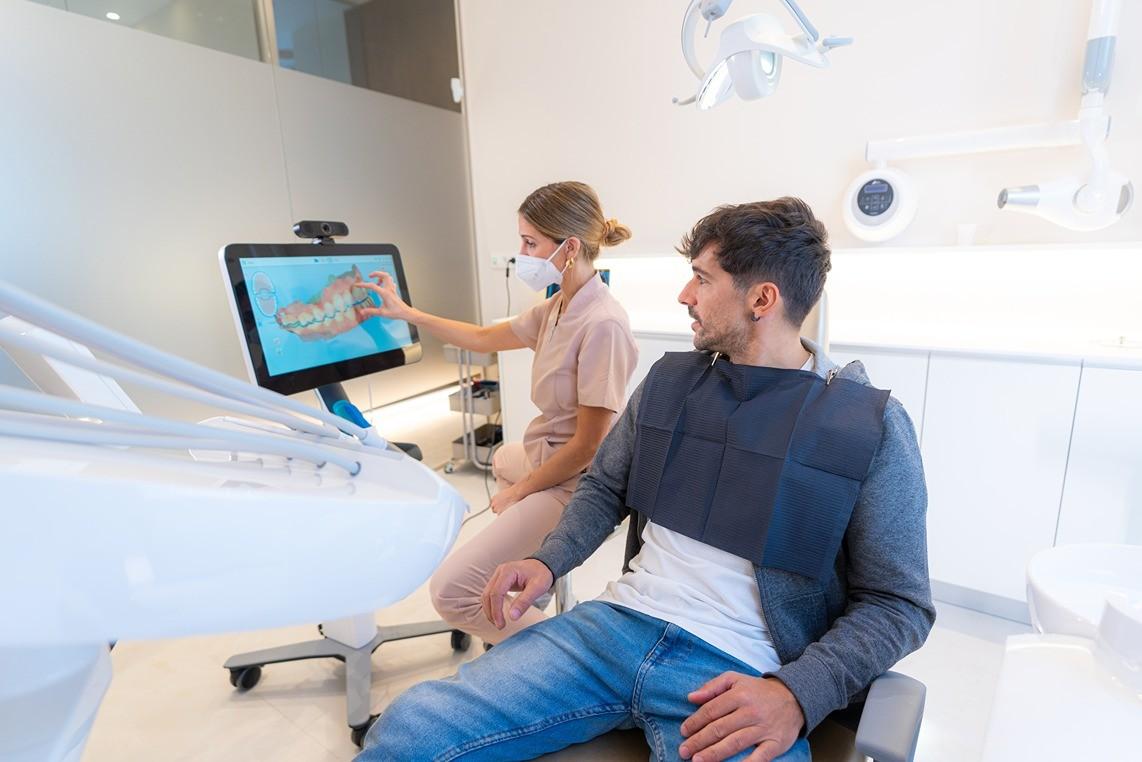
A dentist in Chicago for patients should support preventive visits, cleanings, emergency concerns, restorative care, dental implant planning, and long-term oral health. In Chicago, the right dental office should explain findings clearly, check teeth and gums carefully, and help patients understand options before treatment. A good dentist looks at cavities, gum health, bite comfort, old dental work, missing teeth, and future risks so patients can make informed choices about dental care.
Choosing a dental office in Chicago can shape how you feel about oral health for years. A patient may need a routine cleaning today, then later need help with tooth pain, a broken tooth, gum concerns, or a missing tooth. For someone searching dentist in Chicago, IL the goal is often to find care that feels steady, clear, and useful beyond one appointment.
Montrose Dental Group helps local patients think about dental care as part of long-term health, not only as a response to discomfort. A good visit should leave you understanding what was found, why it matters, and what may come next. For patients comparing dentist Chicago options, it helps to look at prevention, communication, emergency support, restorative care, and how well the office supports changing dental needs.
Start With Preventive Dental Care
Preventive care is the base of long-term oral health. Regular exams, cleanings, gum checks, and home care guidance may help lower the risk of cavities, gum disease, enamel wear, and more involved treatment later.
A preventive visit should look at more than whether a tooth hurts. Your dentist may check your gums, bite, old fillings, crowns, tooth wear, and areas that are difficult to clean. Many dental problems begin quietly before pain appears.
For patients in Chicago, consistent visits can make dental care feel less reactive. Small cavities, early gum inflammation, and worn dental work are often easier to manage when they are found early.
Clear Communication Makes Care Easier
Dental care can feel confusing when findings are not explained well. A dentist should describe what they see in simple language and help you understand which concerns are urgent, which can be monitored, and which options may be reasonable.
This matters for both small and larger treatment plans. If a tooth has decay, you should know where it is and why treatment may be recommended. If a tooth is cracked, you should understand whether it can be watched, repaired, or protected.
Clear communication also helps patients feel more comfortable asking questions. Dental care should feel like a conversation, not a rushed decision.
Emergency Support Matters Before You Need It
Dental emergencies can happen without warning. Severe tooth pain, swelling, broken teeth, knocked-out teeth, trauma, uncontrolled bleeding, fever, or infection signs should be assessed promptly.
Patients looking for an emergency dentist Chicago, IL often need clear guidance during a stressful moment. A dental office should help patients understand which symptoms require urgent attention and what to do before the visit.
Mild sensitivity or a small chip may be handled during a regular appointment. Facial swelling, fever, trouble swallowing, or serious injury should be treated more urgently and may require medical care.
Restorative Care Should Protect Function
Restorative dentistry helps repair damaged teeth and replace missing ones. Fillings, crowns, bridges, implants, root canal treatment, and other options may be discussed depending on the condition of the mouth.
A damaged tooth may need more than one type of care. A small cavity may need a filling, while a cracked or heavily filled tooth may need stronger protection. A missing tooth may affect chewing, spacing, and long-term bite balance.
A dentist should explain how restorative treatment fits the full mouth. Treating one tooth without understanding gum health, bite pressure, and nearby teeth can miss important details.
Missing Teeth Need Careful Planning
A missing tooth can affect more than appearance. Nearby teeth may shift toward the space, the bite may change, and chewing may become uneven. The bone in the area can also change after tooth loss.
Patients asking about dental implants Chicago, IL may want a stable replacement option, but implants are not chosen by appearance alone. A dentist must check gum health, bone support, medical history, oral hygiene, and bite forces before recommending treatment.
Other replacement options may also be discussed depending on the patient’s mouth. The right plan should explain the choices clearly and match the patient’s oral health.
What to Notice Between Visits
Patients should not wait for severe pain before booking a visit. Many warning signs start small. If something feels different, it is worth asking about.
Consider scheduling a dental visit if you notice:
Bleeding gums
Tooth sensitivity
Pain when chewing
A chipped or cracked tooth
A loose filling or crown
Bad breath that does not improve
Jaw soreness or grinding signs
A missing tooth or shifting teeth
These signs do not always mean major treatment is needed. They do mean the cause should be checked by a dentist.
Benefits of Choosing Care That Fits
A good dental fit can make oral health easier to manage. Patients may feel more informed, less reactive, and more willing to keep up with regular visits.
Possible benefits may include:
Cleaner teeth and healthier gums
Earlier cavity detection
Better monitoring of old dental work
Support during urgent dental symptoms
Clearer missing tooth planning
Help with sensitivity or bite concerns
More confidence in treatment choices
These benefits depend on regular visits, daily home care, and open communication with the dental team.
What to Expect at a First Visit
Before the appointment, you may share your health history, medications, dental concerns, and past dental experiences. This helps the dental team understand your needs, comfort level, and any risk factors.
During the visit, the dentist may examine your teeth, gums, bites, jaws, and existing dental work. X-rays may be recommended if the dentist needs to see areas that are not visible during the exam. Cleaning may be completed if scheduled and appropriate.
After the exam, the dentist should explain the findings clearly. If treatment is needed, you should understand the reason, possible options, and suggested timing. If no major concerns are found, you may receive home care guidance and a recommended schedule for future visits.
Local Patient Review
“I wanted a dental office where things would be explained clearly. The visit helped me understand my teeth, my gums, and what I should focus on next.”
FAQs About Choosing a Dentist in Chicago
What should I look for in a dentist in Chicago?
Look for clear communication, preventive care, emergency guidance, and treatment planning that fits your needs. A good dentist should help you understand your oral health.
How often should I see the dentist?
Many patients benefit from visits every six months. Some may need a different schedule based on gum health, cavity risk, tartar buildup, or medical factors.
Can a general dentist help during a dental emergency?
Yes, many dental offices can assess tooth pain, broken teeth, swelling, or damaged dental work. Severe swelling, fever, or trouble breathing may need urgent medical care.
Why do I need dental visits if nothing hurts?
Many dental problems begin without pain. Exams and cleanings can find early cavities, gum inflammation, cracks, or worn dental work before symptoms become stronger.
Can a dentist help with missing teeth?
Yes. A dentist can evaluate the area and discuss replacement options such as dental implants, bridges, or removable options depending on your oral health.
How do I know if a dental concern is urgent?
Severe pain, swelling, fever, trauma, bleeding, or infection signs should be checked promptly. Mild sensitivity may be scheduled normally if it is not worsening.
What if I have not seen a dentist in years?
The first visit usually focuses on understanding your current oral health. Your dentist may recommend an exam, cleaning, X-rays, and a step-by-step plan.
Can dental care be planned in stages?
Yes. If several concerns are present, your dentist can help prioritize what needs attention first and what can be monitored or planned later.
A Clearer Way to Manage Dental Care
Finding the right dental office can make oral health feel easier to understand and maintain. For Chicago patients looking for preventive visits, emergency support, missing tooth guidance, or long-term care planning, Montrose Dental Group can help make each next step clearer and more informed.